Our Pedagogy

OUR PEDAGOGY
At Mark Oliphant College, our approach to teaching and learning evolves across each stage of schooling. From early childhood through to senior secondary, our pedagogy is guided by research, shaped by strong relationships and focused on preparing young people for life beyond school.
While the context changes from birth to Year 12, our commitment remains consistent: intentional teaching, meaningful learning and high expectations for every child.
Early Years
Children’s Centre
Relational, Play-Based and Place-Based Learning
In our Children’s Centre, learning begins with connection.
Our early years pedagogy is grounded in relational pedagogy. Educators prioritise warm, responsive and secure relationships. Research consistently shows that strong relationships are foundational to children’s cognitive, emotional and social development. When children feel safe and known, they are more confident to explore and learn.
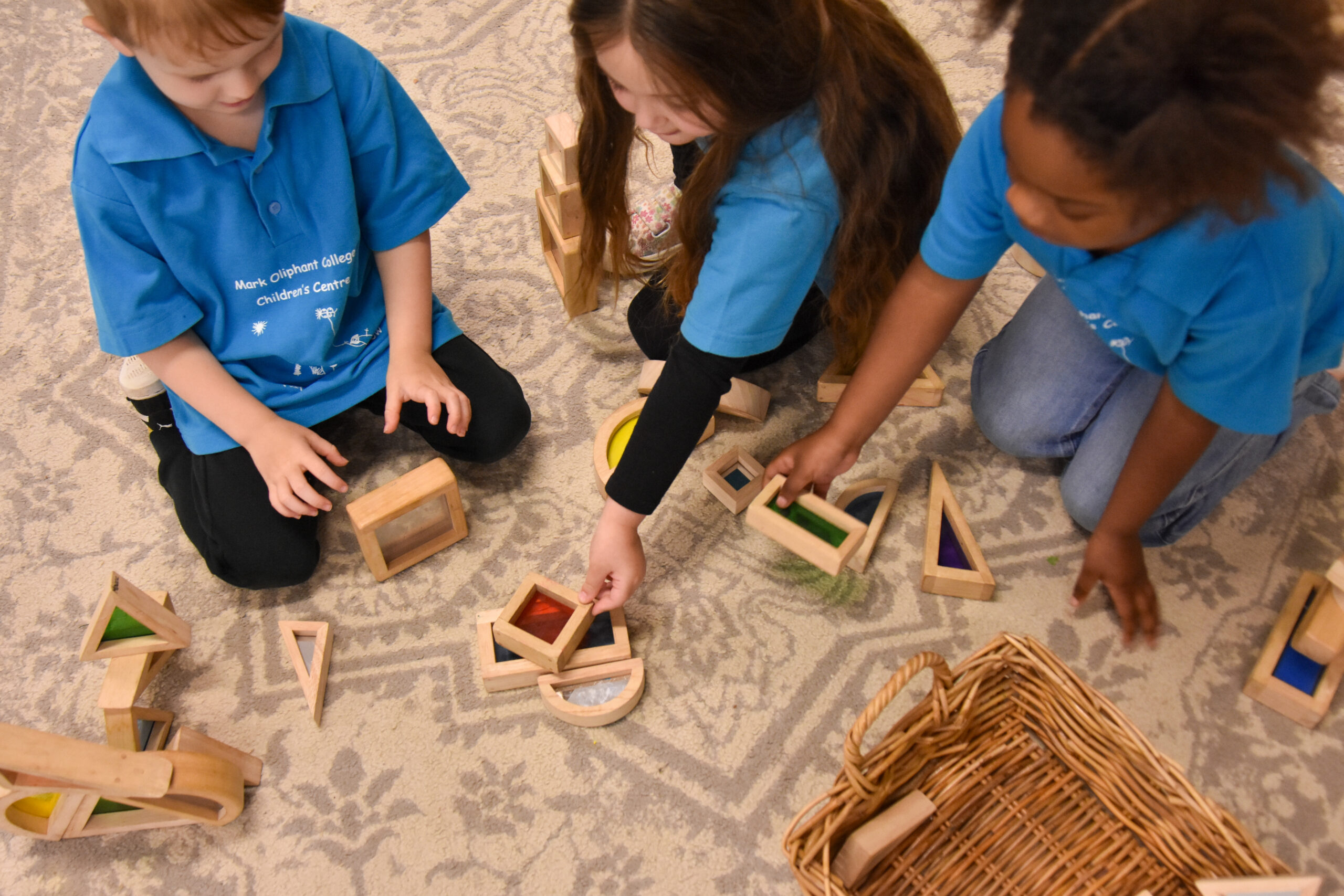
Play-based learning is central. Through intentional play experiences, children develop language, early literacy and numeracy foundations, problem-solving skills, creativity and self-regulation.
Place-based learning ensures children learn in connection with their local environment and community. By engaging with their surroundings, culture and context, learning becomes meaningful and grounded in real experiences.
Reception to Year 10
Responsive and Intentional Learning
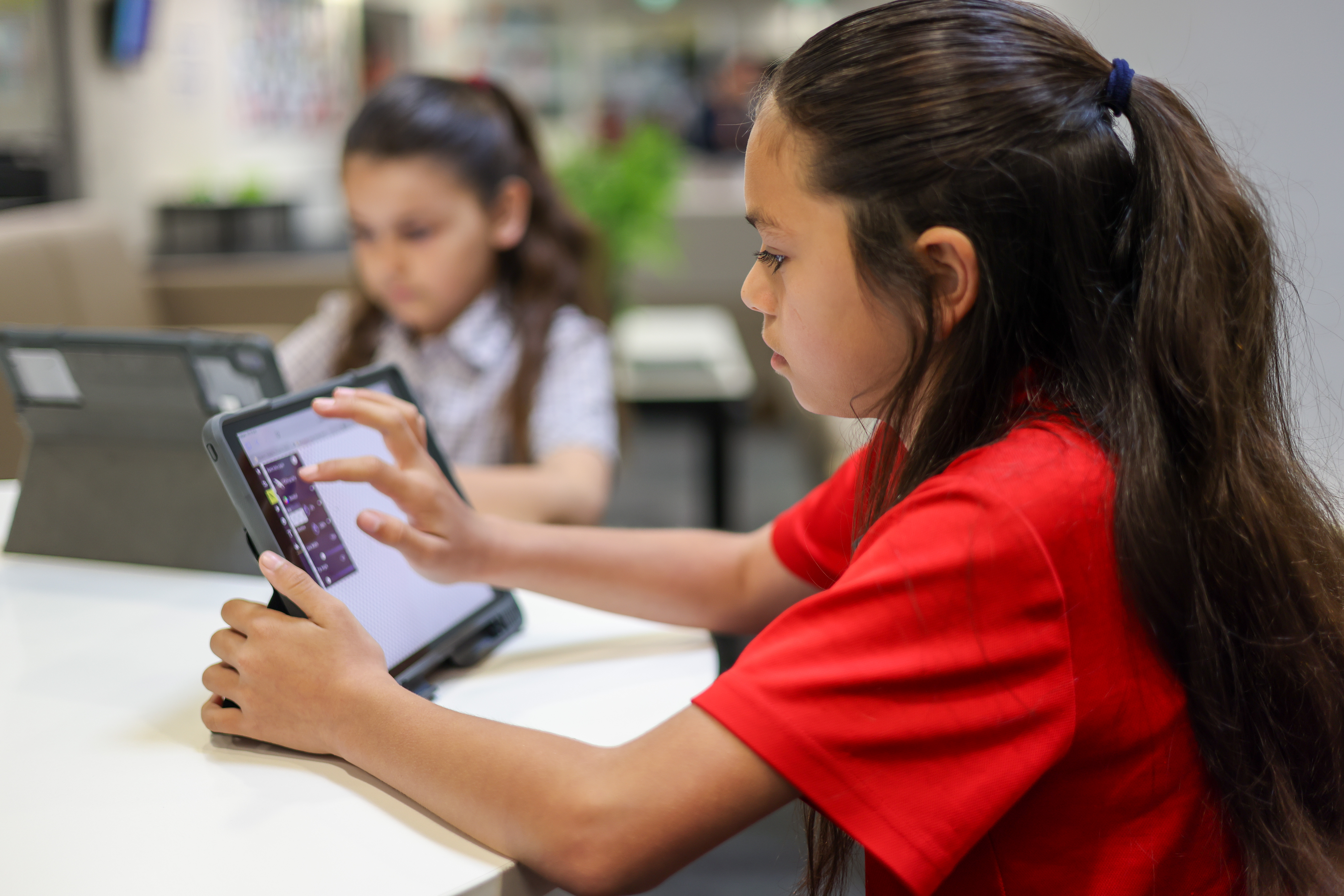
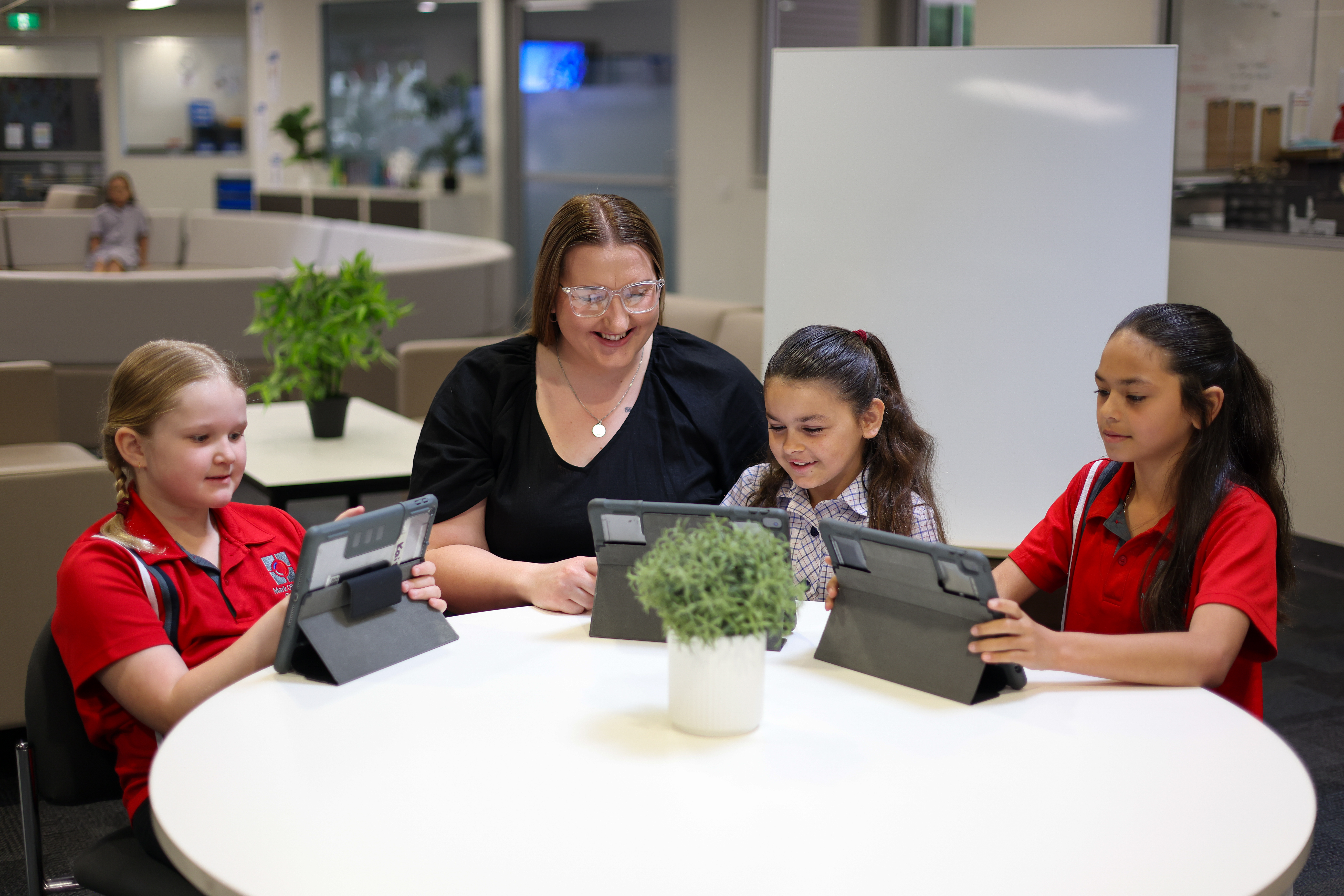
Across primary and middle years, our teaching is guided by responsive pedagogy, dialogue and inquiry, and concept-informed curriculum design.
We are strengthening our approach to designing learning around key concepts and big ideas as a means of surfacing and evidencing student dispositions and capabilities. By focusing on the underlying concepts that connect learning, students build deeper understanding and are increasingly able to transfer their knowledge to new contexts over time.
Classrooms are developing as communities of inquiry, where purposeful dialogue supports critical thinking, reasoning and perspective-taking. Through structured discussion and collaborative thinking, students are encouraged to question, explain their thinking and engage respectfully with diverse viewpoints. These dialogic practices help make learning visible while strengthening key capabilities such as communication, ethical understanding and personal and social responsibility.
As students progress, they are increasingly supported to reflect on their learning and monitor their growth. Through guided reflection and metacognitive strategies, students develop greater learner autonomy, building the confidence and habits needed to take responsibility for their improvement.
Senior Years
Deep Authentic Learning and SACE
In the senior years, our pedagogy aligns with the key drivers of SACE renewal and focuses on preparing students for further study, work and community life.
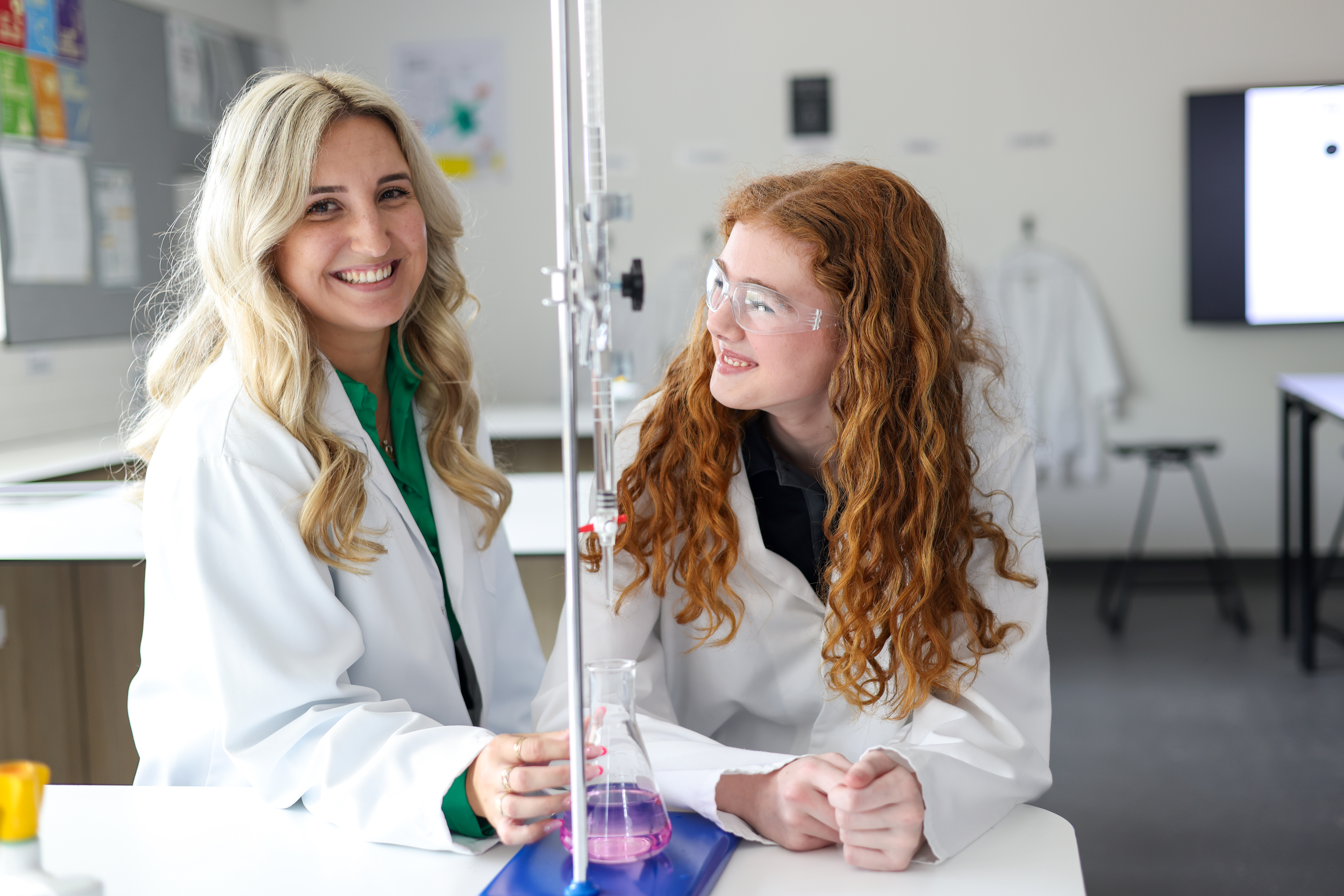
Our senior approach is guided by deep authentic learning. Learning is connected to real-world contexts and meaningful application. Students engage with complex ideas and demonstrate understanding in authentic ways.
Student agency is strengthened as learners take ownership of their learning, make informed choices and pursue areas of interest within clear academic expectations.
Assessment increasingly reflects natural evidence of learning, allowing students to demonstrate capability through applied tasks, inquiry and authentic performance.
Metacognition is explicitly supported so students can think about their thinking, evaluate their progress and refine their strategies for success.
Our Commitment to Your Child
Choosing a school is one of the most important decisions a family makes. We want families to understand not only what we teach, but how and why we teach the way we do.
From the Children’s Centre through to Year 12, your child will experience learning that is intentional, research-informed and grounded in strong relationships.
In the early years, this means your child is known deeply. Educators prioritise connection, belonging and curiosity. Play is purposeful, learning is guided and children are supported to develop confidence and independence in a safe environment.
Through primary and middle years, learning becomes increasingly structured and conceptually rich. Your child will be challenged to think, question and explain. They will be supported to transfer knowledge across subjects and contexts, not simply recall information. As they grow, they will learn how to reflect on their progress, strengthen their habits and take greater responsibility for their learning.
In the senior years, your child will engage in deep, authentic learning connected to real-world application. They will be encouraged to demonstrate initiative, think critically and apply their knowledge in meaningful ways. Senior learning is designed to prepare students not only for examinations, but for life beyond school.
Across every stage, families can expect high expectations, inclusive learning environments, responsive teaching and a genuine partnership built on trust and communication.
Our goal is not only academic achievement. It is the development of capable, thoughtful and self-directed young people who are prepared to contribute confidently to their communities.