Wellbeing at Mark Oliphant College

Creating a Safe and Supportive Environment

Wellbeing at Mark Oliphant College

At Mark Oliphant College we support student wellbeing across a multitiered system of supports. Our wellbeing team works across sub schools (F-6, 7-8, 9-10, 11-12) and is comprised of an Assistant Principal who oversees wellbeing across the college, Wellbeing Leaders in each Sub School and Youth Workers and Schools Mental Health Practitioners in our Secondary School.

Our Wellbeing Team collaborates within each sub-school to deliver individual and small group support, implementation of classroom strategies during times of escalation, and schedule social groups and wellbeing appointments via Daymap. Our team can also support with referrals to external agencies for more complex wellbeing needs that require specialist support. Additionally, our Wellbeing Team implements proactive measures to resolve student-to-student and student-to-teacher conflicts through restorative meetings, and support participation in Wellbeing and Engagement Programs to support positive engagement in learning. If you would like to contact a member of our Wellbeing Team please contact the college through phone call or Daymap.

Wellbeing Leaders:

Our Wellbeing Leaders promote safe, inclusive, and supportive environment for all students. Working in close collaboration with staff, students, and families, the Wellbeing Leaders guide and implement programs and initiatives that foster mental health, social-emotional learning, and positive relationships within the school community. They provide confidential support and advice, connect students with internal and external services where needed, and lead key wellbeing activities across their sub schools.

Youth Workers:

Our dedicated Year 7-12 Youth Workers at Mark Oliphant College provide individualised case management for students, actively supporting their wellbeing, engagement, and safety. This support covers a broad range of needs including mental health and emotional wellbeing, attendance, and the development of Site Safety Plans, Your Support Plans and Attendance Improvement Plans. Our Youth Workers work with students, families and broader support teams to implement strategies to cope with and resolve bullying, conflict, and social issues, and help students navigate challenges that can impact engagement with school. Where needed, they refer and collaborate with external agencies for support, ensuring we work alongside families and staff.

Pastoral Care Worker

Our Pastoral Care Worker plays a central role in fostering a culture of connection, inclusion, and belonging at Mark Oliphant College. Supporting students across all year levels, the Pastoral Care Worker encourages participation in programs such as the Student Representative Council (SRC) and Learning for Life, and supports restorative practices to build positive relationships. They offer guidance and emotional support to help students, develop resilience and manage challenges constructively. By nurturing positive connections between students, staff, and the wider community, the Pastoral Care Worker supports every learner’s sense of safety and inclusion.

Schools Mental Health Practitioner:

Our school’s Mental Health Practitioners play a vital role in supporting the wellbeing and mental health of students in Years 7-12. They offer short term, confidential guidance, early intervention, and counselling for students experiencing mild and emerging mental health challenges, while working closely with families, teachers, and external health professionals. The Mental Health Practitioners also deliver evidence-informed small group programs, building resilience, and empowering young people to manage their mental health proactively.

Wellbeing Platform

If students would like to access wellbeing support for themselves or others, they can use Daymap as a communication platform to connect directly with our Wellbeing Leaders or Youth Workers. Through these channels, students are able to access a broad range of supports and programs offered by Mark Oliphant College and the Department for Education. The Wellbeing Platform enables students to confidentially request assistance, participate in tailored wellbeing and engagement programs, and benefit from resources or referrals coordinated through the school. This proactive system encourages students to take initiative in managing their mental health, personal development, and overall wellbeing.

Student Representative Council (SRC)

The Student Representative Council (SRC) at Mark Oliphant College is a dynamic leadership body that brings together students from a wide range of diverse backgrounds across all year levels. Our SRC provides students with a collective voice in school decision-making and plays a key role in shaping an inclusive and positive school culture. The SRC team meets regularly to discuss and action school-based initiatives, organise events, and coordinate fundraisers such as Harmony Day, RU OK? Day, and other important activities. Through their leadership, SRC members foster school spirit, promote student wellbeing, and work collaboratively with staff to amplify student perspectives and drive meaningful change within our community.
Kumangka Hub (Regulation Room/Wellbeing Hub)

At Mark Oliphant College, the Kumangka Hub is our dedicated regulation and wellbeing space, with one Hub supporting Primary Years (F-6) and another for Secondary Years (7-12). The Kumangka Hub embodies our commitment to creating an inclusive, supportive environment where every student can develop the essential lifelong skills of emotional regulation, resilience, and wellbeing. The Hubs provide a safe space for students who, after utilising in-class strategies, may need additional time and support to regulate their emotions, attention, or behaviour due to a wide variety of needs, including trauma, disability, or mental health challenges.

Students are referred to the Kumangka Hub, through a structured process involving teachers, SSOs, or leadership. Through the referral process a regulation profile is developed and students are taught tailored activities and guidance from trained staff to assist with regulation. Each student’s needs, strategies, and support networks are documented in a Regulation Profile, and stored on Daymap to ensure a consistent and personalised approach. Upon accessing the Hub, students participate in targeted activities designed to help them return to a ‘ready to learn’ state within a short timeframe (usually 10–15 minutes for Primary, and 5–10 minutes for Secondary, with possible brief extensions if required).

The Kumangka Hubs are not punitive spaces or ‘time-out’ for behaviour, but proactive environments that empower students to learn the skills of self-regulation and social-emotional development. Staff track frequency of use and effectiveness through Daymap to guide ongoing learning and interventions, and all visits are closely monitored and reviewed with regular communication to families. In line with whole-school wellbeing practice, these Hubs complement classroom and school-wide approaches to regulation, positive relationships, and inclusion, ensuring each child has every opportunity to thrive academically, socially, and emotionally.

Whole School Programs and Interventions

At Mark Oliphant College, we are committed to supporting the holistic wellbeing and engagement of all students through a suite of whole school programs and targeted interventions. These initiatives are designed to foster connection, academic success, and positive relationships within our school community. Our programs include the popular Breakfast Club, Learning Hub, and the Student Representative Council (SRC), each playing a unique role in ensuring that every student feels supported, empowered, and ready to learn.

Breakfast Club

The Breakfast Club operates every school morning from 8:30 to 8:50am (Building 8 for Primary and Building 19 for Secondary), providing students with a welcoming space to connect with staff, enjoy a nutritious breakfast, and prepare positively for the day ahead. This program not only supports student wellbeing and readiness for learning, but also helps to build strong relationships within our school community.

Learning Hub

Learning Hub is available after for years 7-12 students every Tuesday and Thursday from 3:15 to 4:15 in the library. This program provides a supportive environment for students to work independently or with their teachers on homework, assessment tasks, and revision. Attendance is flexible; students may choose to participate or may be invited by their teacher if additional support is needed to stay on track with learning. When teachers request students attend Learning Hub, they commit to working alongside them, ensuring personalised assistance and encouragement.

Zone of Regulation Intervention
At Mark Oliphant College, we offer a targeted Zone of Regulation intervention in small group settings to help students better understand their emotions and develop effective self-regulation skills. This program focuses on teaching students to identify and categorise their feelings into different ‘zones’, recognise their triggers, and apply personalised strategies to return to a calm and focused state. Students are invited to participate in this program through the Wellbeing Team’s use of data and close connection with families, ensuring that those who will benefit most receive appropriate support. By building these social-emotional skills, students are empowered to better manage their behaviour, cope with everyday challenges, and enhance their readiness for learning and positive engagement in school life

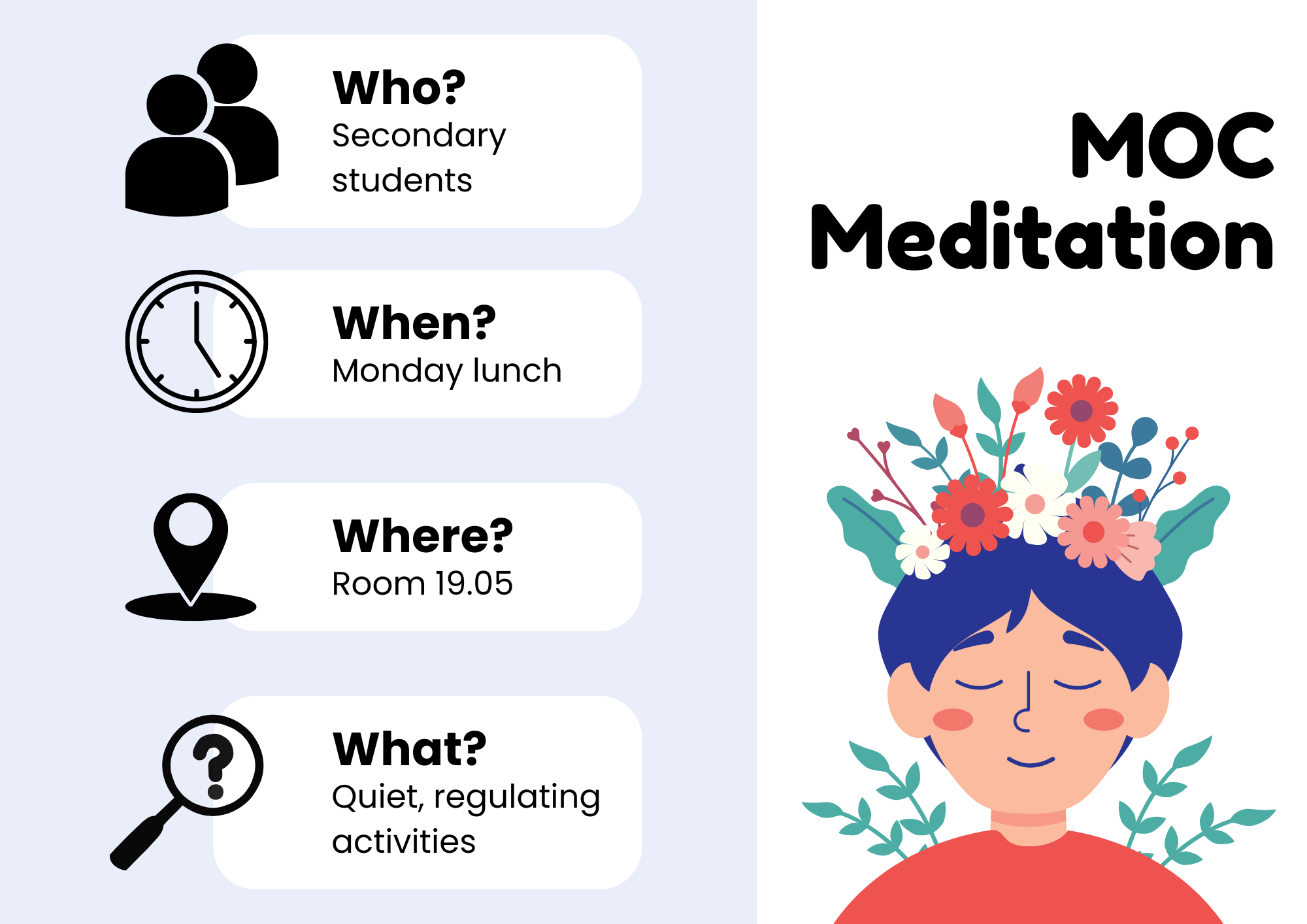
MOC Meditation information graphic with session details
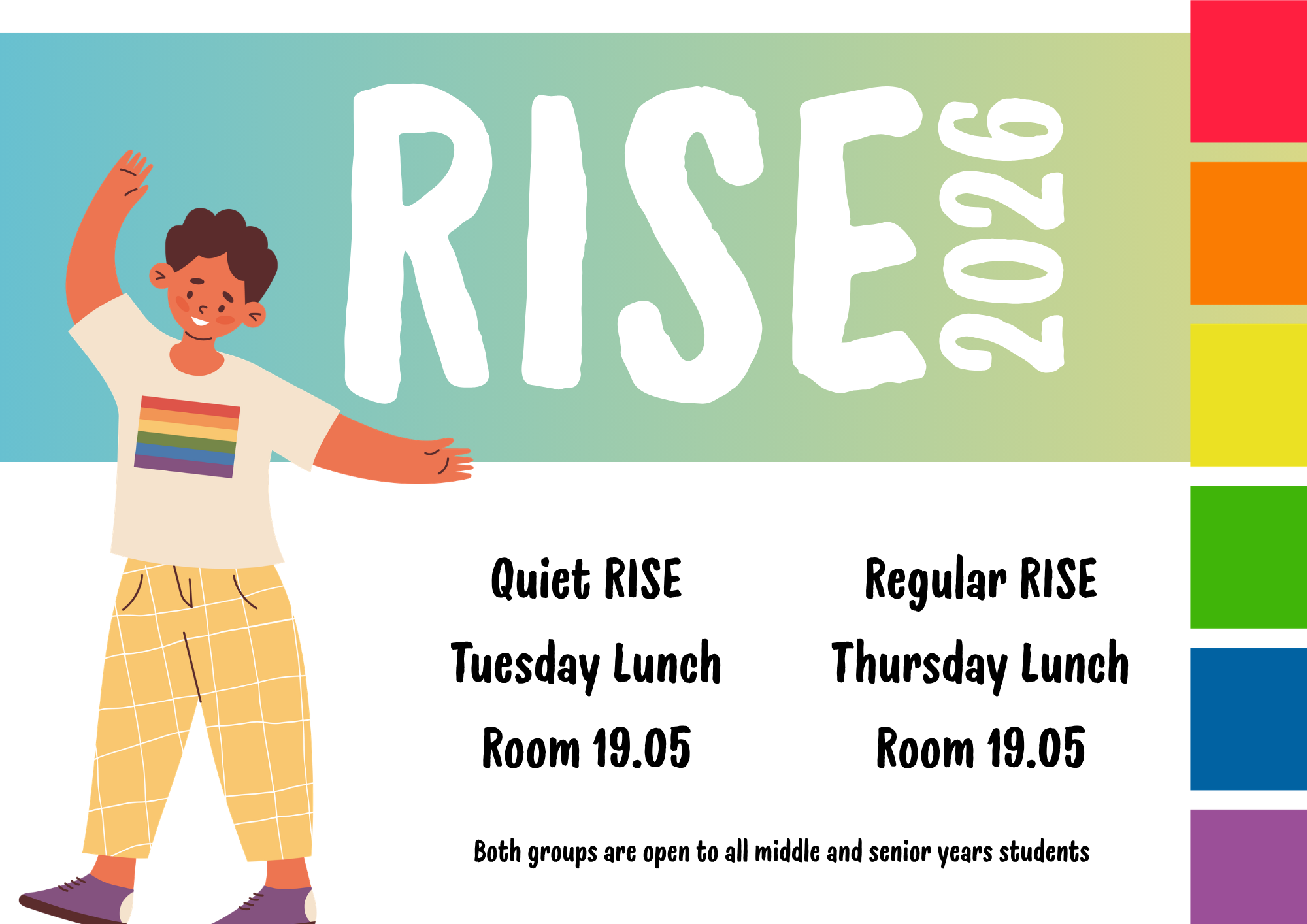
RISE 2026 wellbeing program graphic with session times and locations

Wellbeing and Engagement Leaders

  • Rachel Tomlin, Assistant Principal Wellbeing, Inclusion & Positive Behaviour for Learning

    My role at Mark Oliphant College is to ensure every student receives the support, adjustments, and assistance they need to thrive at school. I am committed to nurturing each student’s academic, social, and emotional development through the implementation of a multi-tiered system of supports, fostering positive outcomes for all learners while recognising and valuing the uniqueness of every student’s educational journey.

    Rachel Tomlin

    Assistant Principal Wellbeing, Inclusion & Positive Behaviour for Learning

  • Tristian Staite, Primary Years Conditions for Learning Leader

    Tristian Staite

    Primary Years Conditions for Learning Leader

  • Jen Geyer, Secondary Conditions for Learning Leader

    Jen Geyer

    Secondary Conditions for Learning Leader

  • Melissa Stephenson, Primary Years (F-6) Wellbeing and Engagement Leader

    Melissa Stephenson

    Primary Years (F-6) Wellbeing and Engagement Leader

  • Ellen Scarfo, Primary Years (F-6) Wellbeing and Engagement Leader

    Ellen Scarfo

    Primary Years (F-6) Wellbeing and Engagement Leader

  • Harrison Phillipps, Year 7- 8 Wellbeing and Engagement

    Harrison Phillipps

    Year 7- 8 Wellbeing and Engagement

  • Matt Verner, Year 9-10 Wellbeing and Engagement

    Matt Verner

    Year 9-10 Wellbeing and Engagement

  • Teegan Loveday, Year 11-12 Wellbeing and Engagement

    Teegan Loveday

    Year 11-12 Wellbeing and Engagement

Youth Workers

  • Karla Smith, Youth Worker

    Karla Smith

    Youth Worker

  • Kat Heintze, Youth Worker

    Kat Heintze

    Youth Worker

  • Lauren Hoffert, Youth Worker

    Lauren Hoffert

    Youth Worker