What is Positive Behaviour for Learning (PBL)?
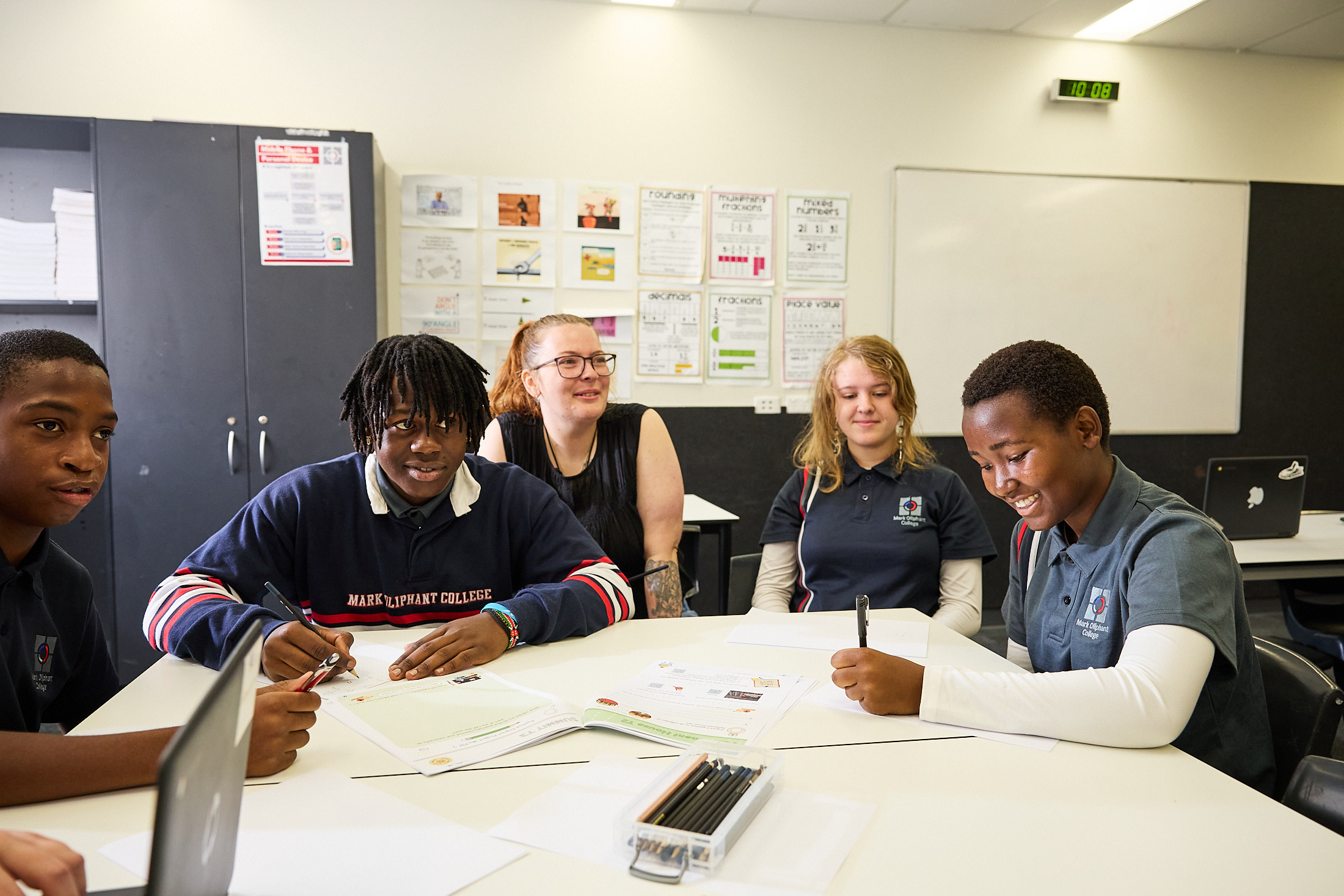
Positive Behaviour for Learning (PBL) is an evidence-based framework designed to support the academic, social, and behavioural development of all students through a whole-school, multi-tiered approach. It helps schools create safe, positive, and inclusive learning environments by explicitly teaching and reinforcing desired behaviours.
PBL supports students and families by meeting individual developmental and community needs, promoting improved behaviour outcomes, and allowing more time for effective teaching and learning.
What does it mean for Students?
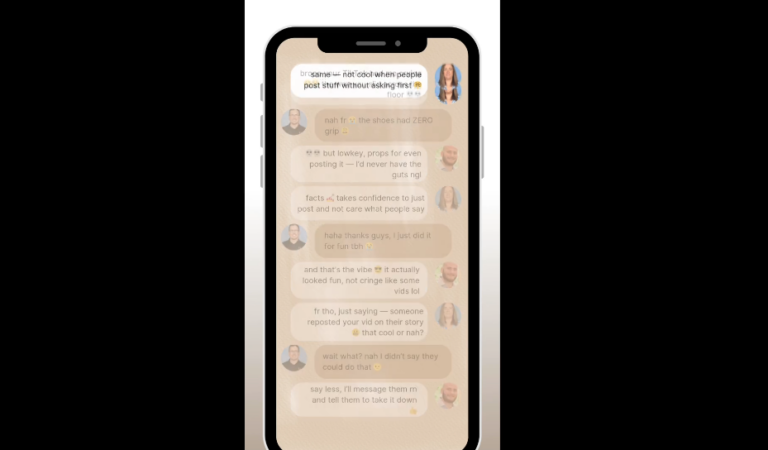
PBL takes away the assumption that students know what is expected of them in situations and instead uses a model of teaching desired behaviours so that everyone can succeed.
Unlike traditional behaviour management systems that rely on punishment, PBL is proactive, contextualised to each school setting, and focused on fostering a respectful and supportive culture where every student can thrive. It is important to note that this does not mean there are no consequences. Students will still receive consequences for behaviour that warrants it, however there is a larger emphasis placed on educating students around their behaviour in the aim that they will make better choices.
How can you support?
Families can help support the implementation of PBL by reinforcing the same positive behaviours and expectations used in school.
This can be as simple as modelling the school values of respect, kindness, belonging and responsibility or by acknowledging and praising positive behaviours of your student.
Working alongside the school by staying up to date with the expectations, attending school events and communicating with teachers will also help students build strong habits for long lasting success.